
Learn what to expect from direct entry MSN online coursework, including how flexible online classes, faculty support, simulation experiences and clinical preparation work together to prepare career changers for nursing practice. Discover how Marquette University's Direct Entry MSN program helps students build confidence, clinical judgment and professional skills.
If you are exploring a Direct Entry Master of Science in Nursing program, also called a DE-MSN program, you may have questions about how online coursework fits into nursing education. Nursing is a hands-on profession, so it is reasonable for prospective students to wonder how online learning can help prepare them for professional nursing practice. Online coursework does not replace in-person learning. Instead, it gives students the academic foundation they need before they begin applying nursing concepts to real or simulated patient care scenarios.
In Marquette University’s Second Degree Direct Entry Master of Science in Nursing program, online coursework is an option. Students can choose to enroll in separate program formats with predominantly online or predominantly in-person nursing coursework.
The five-semester Direct Entry MSN and eight-semester Extended Option program offerings at our program site in Pleasant Prairie, Wisconsin, offer a predominantly online learning environment. Our main Milwaukee campus only offers our five-semester option and is predominantly in person for a traditional learning format.
Coursework builds scientific knowledge, strengthens clinical reasoning and grants a greater understanding of professional standards in nursing care. Explore how predominantly online learning works in a DE-MSN program and how it can prepare you for a career in nursing.
How Online Learning Works in a Direct Entry MSN Program
What is a direct entry program? This MSN program format allows students with a previous non-nursing bachelor’s degree who have met other program requirements to enroll after completion of prerequisite courses.
Online coursework is designed to deliver academic content in a structured, accessible format. Rather than regularly attending lectures on campus, students access course materials through the university's learning management system. Each course is organized into modules that include:
- Activities
- Assessments
- Objectives
- Recorded presentations
- Readings
This format helps students prepare for patient interactions while developing the habits expected of graduate nursing students. Instead of passively consuming information, students continually apply concepts through written assignments, case studies and discussions.
The direct entry MSN curriculum is intentionally sequenced so that students first learn key concepts before applying them in nursing labs and clinical settings. This progression helps students understand nursing roles and concepts and then apply that knowledge in clinical scenarios.

Discover what to expect when earning your MSN degree through a direct entry program like Marquette’s.
Interactive Learning Experiences in Direct Entry MSN Coursework
Modern online nursing education is designed to be interactive. In a Direct Entry MSN course, students do more than memorize terms or review presentations. Faculty build learning activities that require students to analyze patient situations, evaluate evidence, collaborate with classmates and practice clinical decision-making. These activities help students develop the experience and judgment they will need in hospitals, clinics, community settings and other care environments.
Interactive learning is especially important in nursing because nurses must make decisions using incomplete, changing or time-sensitive information. Students need to learn how to recognize changes in patient conditions, identify priorities, communicate concerns and evaluate whether interventions are working. Coursework can start to introduce these skills through repeated practice.
How Online Coursework Keeps Students Engaged
Online coursework keeps students engaged when the course design requires regular participation, and provides meaningful interaction and feedback. Engagement is a must, as students are preparing for a demanding career field.
Personalized Feedback and Assessment
A graduate-level nursing education requires continual improvement, and personalized feedback plays a central role in that process. Faculty assess student work and provide guidance so students understand what they did well, where they need to improve and how they can strengthen their thinking before moving on to more advanced coursework. This feedback helps students correct misunderstandings early, which is important in a field where accuracy, judgment and communication affect patient safety.
Communication With Faculty and Peers
Although coursework may be delivered predominantly online, students do not learn alone. Faculty remain accessible through email, discussion boards, scheduled meetings and office hours. Students also collaborate regularly with fellow cohort members on discussions and group activities. We encourage students to reach out to fellow cohort members, connecting to work and study.
To get the most out of your nursing education, practice your communication skills by:
- Asking questions throughout each course
- Collaborating on team assignments
- Developing professional relationships
- Discussing assignments with fellow cohort members
- Reaching out to faculty members

What Students Can Expect in an Online Nursing Course
Students in an online nursing course can expect structure, clear expectations and regular academic work. Students review course modules, complete readings, watch recorded presentations, participate in discussions, submit assignments and prepare for assessments. Students in online nursing courses need to manage their schedules, track due dates and give themselves enough time to complete assignments.
Marquette’s DE-MSN coursework includes access to tutoring and academic advisors, providing support through resources and better equipping students for success.
Learning Outcomes and Course Objectives
Courses begin with clearly stated objectives. These statements define what students are expected to know, understand or demonstrate by the end of the course. They also help students see how each assignment connects to larger program goals. In a Direct Entry MSN program like Marquette’s, course objectives may focus on improving scientific knowledge and furthering skills in patient assessment, professional communication, ethical decision-making or clinical reasoning.
Clear course objectives also help students measure their own progress. As they move through the modules, students can compare their understanding to the stated expectations. This habit supports self-directed learning, important as a student and as a practicing registered nurse.
Readings, Assignments and Assessments
Students complete a variety of learning activities designed to reinforce course concepts while developing their clinical judgment. Assignments emphasize analysis, communication and evidence-based practice instead of memorizing isolated facts.
Many assignments mirror situations nurses encounter in practice. Students may evaluate hypothetical patient symptoms or propose evidence-based nursing interventions. This practical approach helps bridge classroom learning and patient care.
How Online Coursework Supports Clinical Nursing Preparation
Nursing coursework, including online coursework, and clinical nursing preparation complement one another. Students first build foundational knowledge through coursework, then use that knowledge during campus-based skills labs, simulation experiences and clinical rotations at top area health care facilities local to either program location.
This progression helps students enter hands-on settings with more confidence because they have already studied the science, terminology and nursing concepts behind patient care. With this academic foundation in place, students can devote more attention to developing hands-on skills, communicating with patients and refining their clinical decision-making.
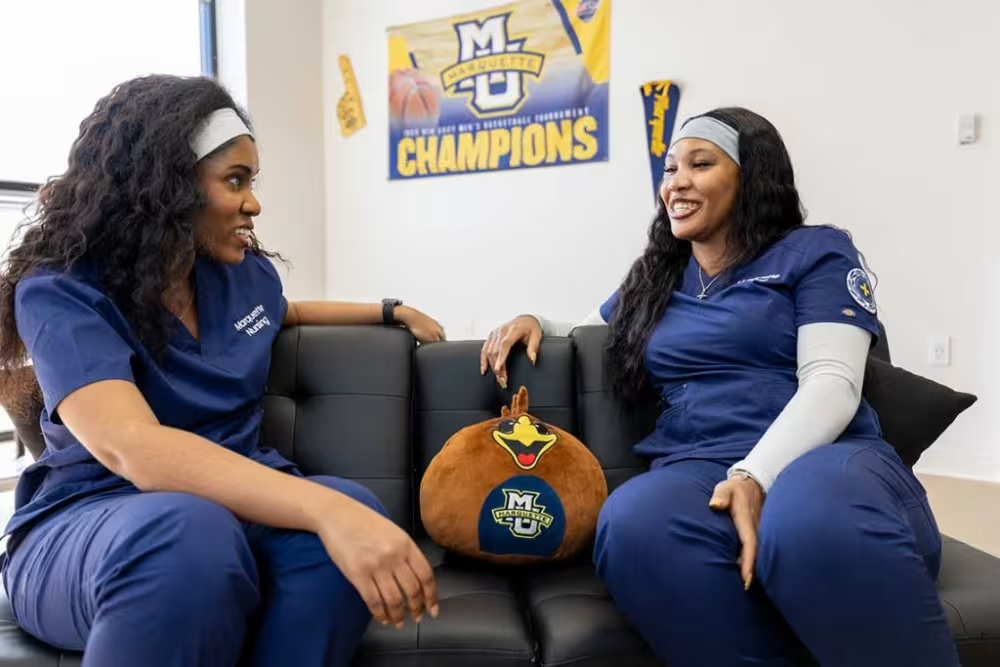
Forming personal connections is still vital for your nursing education and career. See how networking in nursing can lead to new opportunities.
Benefits of Online Learning for Direct Entry MSN Students
Online learning can offer several benefits for direct entry MSN students, like more flexibility in arranging a study schedule and the greater student accessibility that entails. Gaining knowledge from coursework also prepares students for their experience interacting with patients during clinical rotations.
Flexibility for Career Changers
Many DE-MSN students already hold bachelor's degrees and are transitioning from careers in business, education, public service, technology or other fields. Predominantly online coursework offers flexibility without sacrificing academic rigor, making it easier to:
- Balance school with family responsibilities
- Create consistent weekly study schedules
- Reduce travel for lecture-based instruction
- Review recorded content multiple times
Accessible Learning Without Sacrificing Quality
Accessible online learning does not mean easier coursework. Direct Entry MSN students are held to graduate-level expectations regardless of the format they complete coursework in. Students in predominantly online courses must participate actively, complete rigorous assessments, communicate professionally and demonstrate understanding to progress through the program.
Faculty support, academic resources and structured learning experiences remain central to student success, regardless of which format they complete coursework in.
Building Confidence Before Clinical Experiences
Confidence develops through preparation and repeated practice. Before entering simulation labs or clinical rotations, students will have already worked through patient scenarios, discussed nursing priorities and strengthened their foundational understanding of the science. As a result, they can devote more attention to developing technical skills, communicating with patients and refining clinical judgment during in-person experiences.
Begin Your Nursing Journey Through Marquette University's Direct Entry MSN Program
Through our different program format options, Marquette’s DE-MSN program can combine the flexibility of primarily online coursework with immersive labs and clinical rotations. We graduate students prepared to enter nursing with strong clinical judgment, effective communication skills and the confidence to deliver compassionate, evidence-based care.
To learn more about what to expect from Direct Entry MSN online coursework, request information and connect with an admissions adviser.